

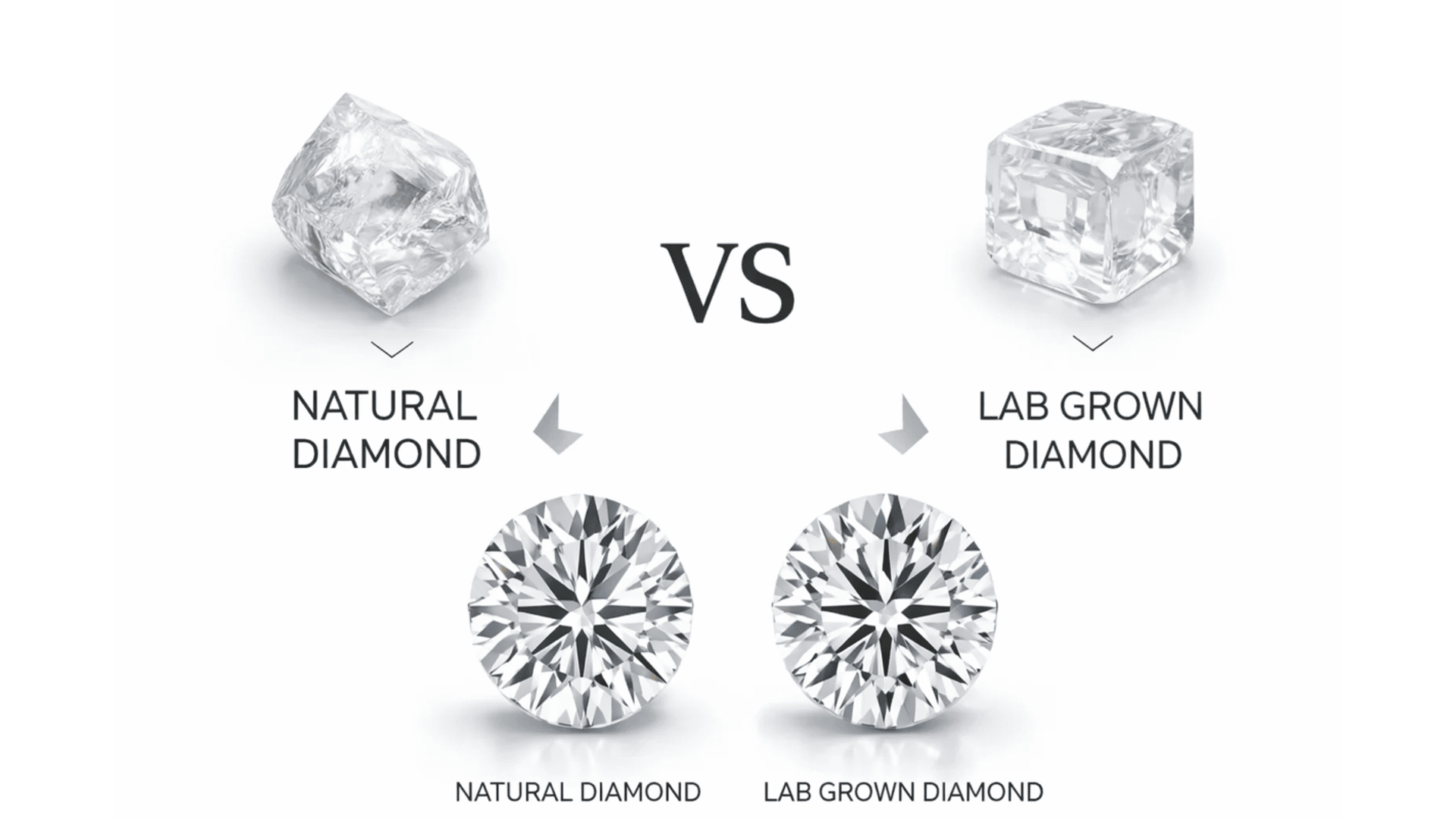
Understanding Natural and Lab-Grown Diamonds
Natural vs lab grown diamonds is one of the most common comparisons when choosing diamond jewellery. Both options offer similar brilliance and durability but differ in origin, price, rarity, and long-term value.
What Are Natural Diamonds?

Natural diamonds are produced deep inside the earth under high-pressure conditions. These precious gemstones occur naturally as the end product of the natural process through which the carbon atom gets crystallised under high-pressure conditions.
After the natural diamonds have been extracted from the earth, they are cut and polished to produce beautiful ornaments, such as rings, earrings, pendants, and bracelets, etc.
One of the major reasons for the high value attached to natural diamonds is their scarcity. Since they take billions of years to form, they have long-term value in the market.
Natural diamonds have long-term value in the market for high-end ornaments due to their association with the concept of originality.
What Are lab-gown Diamonds?
Lab grown diamonds are made in a lab using technology similar to the natural diamond formation process. Lab grown diamonds are made using techniques such as HPHT and CVD.
Despite the fact that lab grown diamonds and natural diamonds share the same chemical composition, lab grown diamonds take only weeks to form in a controlled environment.
Since lab grown diamonds take less time to form, they are also more affordable compared to natural diamonds.
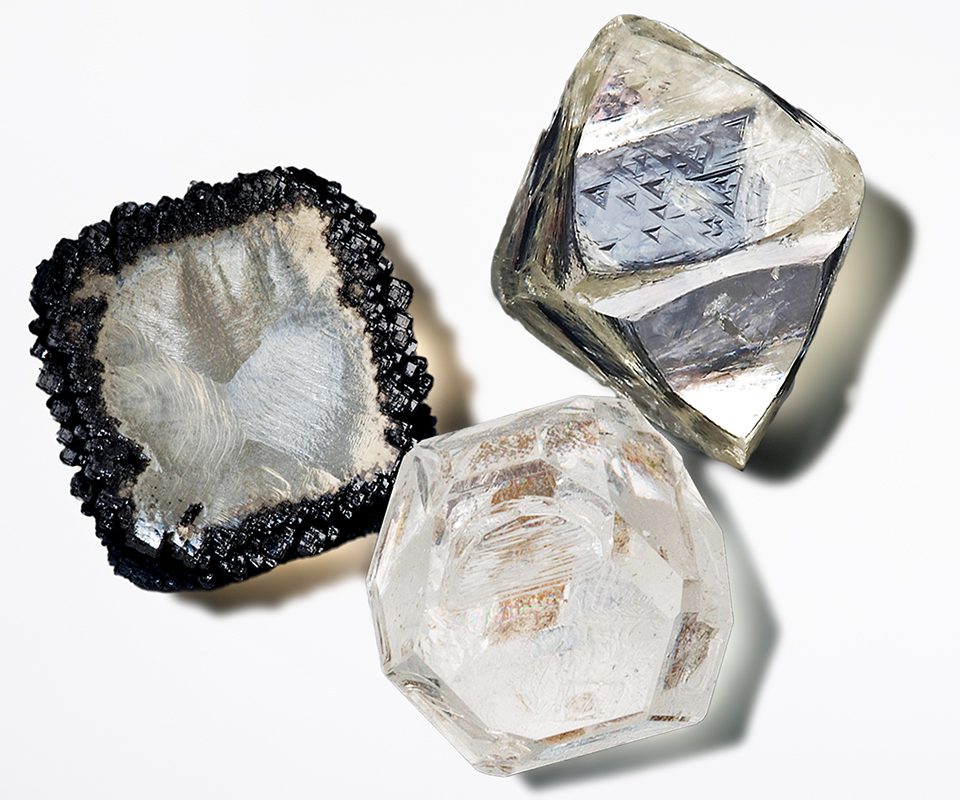
Natural vs Lab-Grown Diamonds: Key Differences
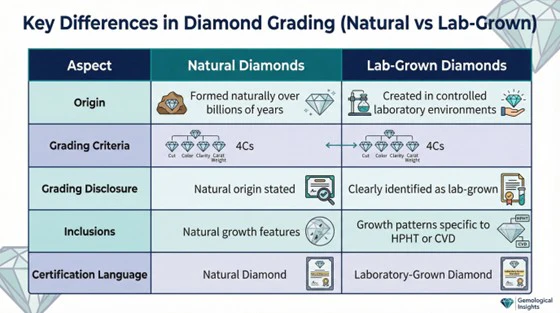
The difference between natural and lab-grown diamonds is quite significant, despite their similar look and appearance. Natural and lab-grown diamonds may look similar, but natural diamonds are rare and precious, whereas lab-grown diamonds are created artificially using technology and equipment.
Both natural and lab-grown diamonds, when used in making jewellery, may look similar and may possess similar brilliance and beauty, but natural diamonds are considered precious and valuable, whereas lab-grown diamonds are more affordable and may be purchased for those who want to purchase a larger diamond at a lower price.
Key Factors That Differentiate Natural and Lab-Grown Diamonds
• Origin – While natural diamonds have their origin in the natural environment, lab-grown diamonds are created in a controlled laboratory environment.
• Formation Time – While natural diamonds take billions of years to form, lab-grown diamonds take only a few weeks to form.
• Rarity – While natural diamonds are rare, lab-grown diamonds can be produced in the lab in large quantities.
• Price – Lab-grown diamonds are less expensive than natural diamonds, as they take less time and fewer resources to produce.
• Value and Investment – Generally, natural diamonds hold their value better in the long term because of their rarity and natural composition. This is because the resale value of lab-grown diamonds might not hold up well since they can be manufactured in larger quantities.
• Use in Jewellery – Both natural and lab-grown diamonds are commonly used in jewellery such as rings, earrings, necklaces, and bracelets. However, natural diamonds are more popular for luxury and premium jewellery because of their rarity and stronger long-term value.
Why Natural Diamonds Are Preferred in Fine Jewellery
In the realm of fine jewellery, natural diamonds are the most sought-after option because of their association with authenticity and natural rarity.
One of the biggest advantages of natural diamonds in fine jewellery is their unique origin. This is because natural diamonds are formed deep within the earth over billions of years, which makes each one of them unique and rare.
In addition to this, natural diamonds are the most sought-after option for fine jewellery like engagement rings, necklaces, bracelets, and earrings. This is because of their rarity and value for the long term.
Another advantage of natural diamonds in fine jewellery is their ability to retain value for the long term. This is because natural diamonds are rare in their occurrence compared to lab-grown diamonds.
All in all, natural diamonds continue to remain the epitome of elegance and beauty in the realm of fine jewellery.
Natural vs Lab-Grown Diamonds Price Comparison
The following table highlights the key pricing differences between natural and lab-grown diamonds in the jewellery market.
factor
natural diamonds
lab-grown diamonds
1- Average Price
Higher due to rarity.
Lower due to lab production
2- Price Range
30–60% more expensive
40–70% cheaper
3- supply
Limited natural supply
Can be mass produced
4- Value Retention
Strong long-term value
Value may decrease
5- Investment
Better investment option
Not ideal for investment
6- Jewellery Market
Preferred for luxury jewellery
Used for affordable jewellery
Pros and Cons of Natural vs Lab-Grown Diamonds
natural diamonds
Pros
• Naturally formed over billions of years
• Rare and unique
• Higher long-term value
• Preferred for luxury and high-end jewellery
• Strong resale value in the market
Cons
• Higher price compared to lab-grown diamonds
• Limited availability
• Mining process may affect supply
Lab-Grown Diamonds
Pros
• More affordable than natural diamonds
• Can be produced faster in laboratories
• Often available in larger sizes at lower prices
• Same chemical composition as natural diamonds
Cons
• Lower resale value
• Can lose value over time
• Not considered as rare as natural diamonds
Frequently Asked Questions
Are lab-grown diamonds real diamonds?
Yes, lab-grown diamonds are indeed natural diamonds because they have the same chemical composition as natural diamonds. The only difference is that lab-grown diamonds are grown in a lab instead of the natural environment within the Earth.
Are lab-grown diamonds cheaper than natural diamonds?
Yes, lab-grown diamonds are usually 40–70% cheaper than natural diamonds
Do lab-grown diamonds last as long as natural diamonds?
Yes, lab-grown diamonds have the same hardness and durability as natural diamonds, making them suitable for everyday jewellery.
Are natural diamonds better for long-term value?
Natural diamonds often hold stronger long-term value because they are rare and formed naturally over billions of years.
Which diamond should you choose: natural or lab-grown?
The choice depends on your budget and preferences. Natural diamonds are preferred for rarity and long-term value, while lab-grown diamonds are chosen for their affordability and similar appearance.
key takeaway
Natural vs Lab-Grown Diamonds – Quick Summary
• Natural diamonds are formed over billions of years and are valued for rarity and long-term value.
• Lab-grown diamonds are created in laboratories and are generally more affordable.
• Both types offer similar brilliance and durability for jewellery.
• Natural diamonds are often preferred for luxury and high-end jewellery pieces.
Understanding the difference between natural vs lab-grown diamonds is important when choosing the right diamond jewellery
Learn more about diamond grading from the Gemological Institute of America.
Before purchasing, you should understand how to buy certified diamond jewellery online.
Explore our collection of certified natural diamond jewellery, including beautifully crafted rings, earrings, necklaces, and bracelets designed with exceptional brilliance and quality.

[…] quality, and trusted sellers. It’s also important to understand the difference between natural and lab-grown diamonds before making a purchase […]
yes